










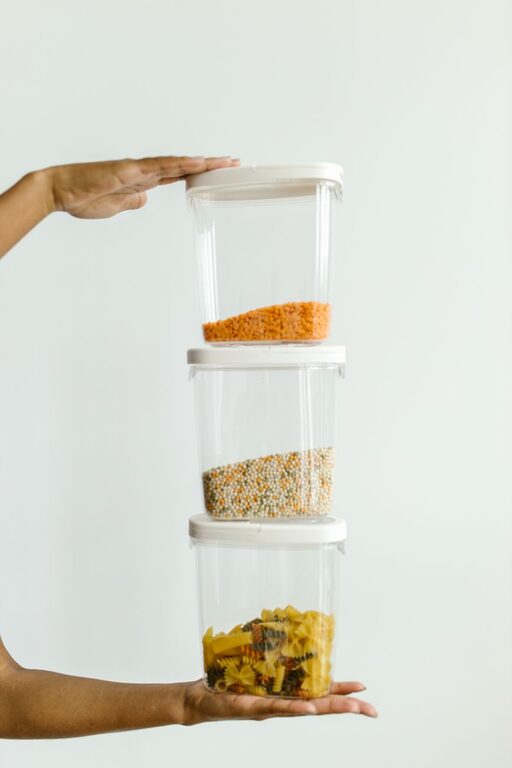
Planning meals from pantry staples is a smart way to save time, reduce food waste, and simplify your cooking routine. Whether you’re aiming to eat healthier, save money, or just avoid last-minute grocery runs, knowing how to use the ingredients you already have can make a big difference.
In this guide, we’ll explore practical steps to help you plan satisfying meals using items commonly found in your pantry. From basic stockpiles to creative recipe ideas, you’ll discover how to turn simple ingredients into delicious dishes.
Why Plan Meals from Pantry Staples?
Using pantry staples as the foundation for your meal planning offers several advantages:
– Cost-Effective: Pantry items like rice, beans, canned tomatoes, and pasta are budget-friendly.
– Convenient: No need for frequent grocery trips; meals can be prepared even when fresh ingredients are low.
– Reduces Food Waste: Helps you use what you have before it expires.
– Flexible: Easily adaptable to different cuisines and dietary preferences.
Step 1: Take Inventory of Your Pantry Staples
Before you start planning, it’s essential to know what ingredients you have on hand. Here’s how to do it efficiently:
– Empty the Pantry: Pull out all your canned goods, grains, spices, and other non-perishables.
– Sort and Categorize: Group items into categories like grains, canned and jarred goods, baking ingredients, spices, and condiments.
– Check Expiration Dates: Remove anything that’s expired or no longer good.
– Make a List: Jot down what you have to reference when planning meals.
Common pantry staples include:
– Grains: rice, pasta, quinoa, oats
– Legumes: dried or canned beans, lentils, chickpeas
– Canned goods: tomatoes, vegetables, tuna
– Baking basics: flour, sugar, baking powder
– Oils and vinegars
– Spices and herbs
– Broth or bouillon cubes
Step 2: Plan Balanced Meals Around Staples
The key to tasty and nutritious meals is balance. Aim to include:
– Carbohydrates: grains or starchy vegetables
– Protein: legumes, canned fish, or pantry-friendly protein sources
– Vegetables: fresh, frozen, or canned
– Fats: oils, nuts, seeds
Here are simple meal frameworks using pantry ingredients:
1. Grain Bowl
– Base: cooked rice, quinoa, or couscous
– Protein: canned beans or chickpeas
– Vegetables: canned tomatoes, frozen corn, or sautéed greens
– Flavor: olive oil, lemon juice, spices like cumin or paprika
2. Soup or Stew
– Broth: vegetable or chicken stock (homemade or bouillon)
– Base: lentils, beans, pasta, or rice
– Vegetables: canned tomatoes, frozen mixed veggies, or fresh if available
– Seasonings: garlic, bay leaves, thyme, salt, and pepper
3. Pasta Dish
– Pasta: any shape you have
– Sauce: canned tomatoes with garlic and herbs
– Protein: canned tuna, beans, or a sprinkle of cheese (if available)
– Extras: olives, capers, chili flakes
Step 3: Use Spices and Condiments to Add Flavor
Pantry staples can sometimes feel bland on their own. Spices, herbs, and condiments are your best friends for turning simple ingredients into flavorful meals.
– Basic spice mix ideas:
– Italian: oregano, basil, garlic powder
– Mexican: cumin, chili powder, coriander
– Indian: turmeric, garam masala, cumin
– Condiments: soy sauce, hot sauce, mustard, canned salsa, or vinegar add acidity and depth.
– Fresh herbs: If you have fresh herbs or even frozen ones, add them at the end for brightness.
Step 4: Batch Cook and Store for Convenience
Cooking larger portions from pantry staples allows you to save time later.
– Prepare soups, stews, or grain bowls in bulk.
– Store leftovers in airtight containers in the fridge for 3–4 days or freeze for longer storage.
– Portion meals to grab and reheat easily on busy days.
Step 5: Keep Your Pantry Well-Stocked
After cooking from your staples, plan to replenish items so you’re always ready to prepare quick meals. Consider keeping:
– A variety of grains and dried pasta
– Multiple types of canned legumes and tomatoes
– Favorite spices and seasoning blends
– Cooking oils and vinegars
– Shelf-stable proteins like canned tuna or salmon
Bonus Tips for Meal Planning Success
– Use meal planning apps or a simple calendar to map out meals based on your pantry inventory.
– Involve family members to suggest favorite pantry-based dishes.
– Experiment with new recipes to keep things interesting.
– Combine pantry staples with seasonal fresh produce when possible for added nutrition and flavor.
– Label leftovers with dates to keep track of freshness.
Sample Pantry-Based Meal Plan for a Week
| Day | Meal Idea |
|———–|———————————–|
| Monday | Lentil and tomato soup with rice |
| Tuesday | Pasta with canned tuna and olives |
| Wednesday | Chickpea curry with quinoa |
| Thursday | Bean chili with canned tomatoes |
| Friday | Rice bowl with black beans and salsa |
| Saturday | Vegetable stew and crusty bread |
| Sunday | Oatmeal with nuts and dried fruit |
—
Using pantry staples creatively can make meal planning less stressful and more enjoyable. With a well-organized pantry and some basic planning skills, you’ll always have what you need to prepare tasty, budget-friendly meals. Happy cooking!