









Storing seasonal clothes efficiently is a smart way to keep your home organized and your wardrobe in good condition. Whether you’re switching from winter coats to summer dresses or vice versa, the right storage methods can save you time, protect your clothes, and create more space. In this post, we’ll explore easy and effective strategies to store your seasonal garments, so they stay fresh, accessible, and ready to wear.
Why Proper Seasonal Clothing Storage Matters
When clothes are packed away improperly, they can become wrinkled, damaged, or even attract pests. Efficient storage helps you avoid these issues and makes your dressing routine smoother by keeping everything organized. Plus, it frees up closet space for the current season’s essentials.
—
Step 1: Sort Your Clothes Before Storage
Before storing away seasonal items, take some time to sort through your wardrobe.
What to Sort
– Keep: Clothes you love and wear regularly.
– Donate: Items in good condition but no longer needed.
– Repair: Clothes that need mending or cleaning.
– Discard: Worn-out or damaged garments beyond repair.
Sorting helps reduce clutter and ensures only items you need go into storage.
—
Step 2: Clean Clothes Thoroughly
Always clean clothes before storing. Dirt, oils, and stains can attract moths and other pests or cause permanent damage.
Cleaning Tips
– Follow the care labels for washing or dry cleaning.
– Make sure clothes are completely dry to prevent mold and mildew.
– Consider using garment bags for delicate items after cleaning.
—
Step 3: Choose the Right Storage Containers
The containers you use impact the longevity and condition of your clothes.
Container Options
– Plastic Bins: Airtight bins protect against moisture and pests, ideal for delicate or valuable clothes.
– Vacuum Bags: Great for saving space, but avoid for natural fibers like wool that need air circulation.
– Fabric Storage Bags: Allow breathing, suitable for items like sweaters and scarves.
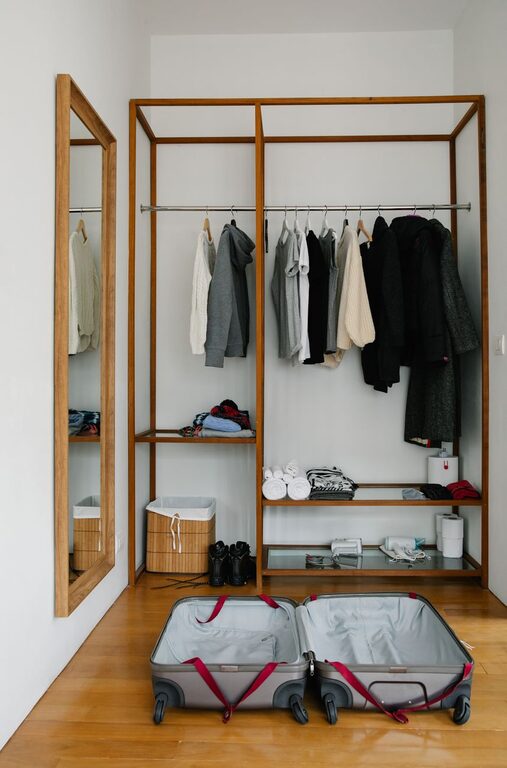
– Suitcases or Boxes: Reuse what you have, but ensure they are clean and dry.
—
Step 4: Use Proper Storage Techniques
How clothes are packed into containers affects how they look and hold up.
Tips for Packing
– Fold clothes neatly to avoid wrinkles.
– Use acid-free tissue paper to separate delicate fabrics.
– Store heavier items at the bottom and lighter ones on top.
– Avoid overstuffing containers to maintain fabric integrity.
—
Step 5: Protect Your Clothes
Keeping clothes safe from pests and damage is essential during long-term storage.
Protection Tips
– Use cedar blocks or lavender sachets to repel moths naturally.
– Avoid using mothballs as they have a strong odor and contain chemicals.
– Store items in a dry, cool, and dark place to avoid fading or mildew.
– Check your stored clothes periodically for any signs of damage.
—
Step 6: Label Your Storage
Labeling containers saves time during seasonal switches.
– Note the contents and season on each bin or bag.
– Use clear labels so you can easily identify what’s inside without opening everything.
– This helps keep your storage area neat and makes rotating clothes much easier.
—
Step 7: Optimize Your Storage Space
Maximize your available storage area to keep things tidy.
Space-Saving Ideas
– Use under-bed storage bins for easy access.
– Install shelving units or closet organizers in storage rooms.
– Utilize hanging garment bags for coats or suits.
– Stack bins carefully, keeping frequently used items on top or at front.
—
Bonus Tips for Seasonal Clothing Storage
– Rotate Seasonally: Swap clothes promptly at the change of season to keep your wardrobe current.
– Keep a Capsule Wardrobe: Consider minimizing your collection to essential pieces which simplifies storage.
– Maintain Clothing Condition: Take time to air out stored clothes before wearing them again.
—
Conclusion
Efficiently storing seasonal clothes is all about preparation, the right tools, and good habits. By sorting, cleaning, choosing the best containers, protecting your garments, labeling, and organizing your space, you prolong the life of your clothes and keep your home clutter-free. A little effort now will save you time and frustration when the seasons change.
Happy organizing!